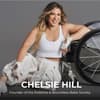
In an electrifying episode of "Champion This," Chelsie Hill, founder of the Roulettes, shares her journey from a life-altering spinal cord injury to pioneering the largest wheelchair dance team. Her engrossing narrative encompasses empowerment, representation, and community impact. Discover how her vision led to groundbreaking initiatives like the Rollette's Experience and Boundless Babes mentorship program. Join Brianna Salvatore Dueck and Chelsea Poppens as they delve into the awe-inspiring world of disability representation and female empowerment with the exceptional Chelsie Hill.
ABOUT OUR GUEST:
Chelsie Hill is a professional dancer, community leader, content creator, influencer, wife, mother, and serial entrepreneur. She is the founder of Roulettes, a Los Angeles-based wheelchair dance team committed to promoting education, disability representation, and female empowerment. Additionally, Chelsie founded the Roulettes Experience, the largest women's empowerment weekend for women and children with disabilities, and the Boundless Talent Showcase, a competition for talents of all genders and disabilities.
YouTube
Apple Podcast
Spotify
Support Our Show With Patreon!
FOLLOW CHAMPION THIS:
CHELSIE'S SOCIALS:
REFERENCES:
[00:00:00] What's one of your favorite dance moves to teach? I would definitely have to say doing a wheelie spin. It's something that Aote Angel, who the girl that I saw when I was in the hospital taught.
[00:00:11] She taught me how to do it and I've been able to teach all the roleets how to do a wheelie spin. Welcome to Champion This with Brianna Salvatore Doic and Chelsea Poppins where we share the incredible
[00:00:31] stories of athletes and entertainers who are using their platforms to create positive change in the world and the communities they live in. We are so excited to introduce today's guest, Chelsea Hill. She is an absolute powerhouse.
[00:00:45] Chelsea Hill to give you a little bit of background is a professional dancer, community leader, she's a content creator and influencer, a wife and a mother. In addition to all of that, she's also a serial entrepreneur.
[00:00:56] She's the founder of Rollets, which is a Los Angeles based wheelchair dance team that's committed to education, disability representation, and female empowerment. She's also founded the Rollets Experience, which is the largest women's empowerment weekend for women and children with disabilities.
[00:01:12] She's also founded the Boundless Talent Showcase, a showcase competition for all generous disabilities and talents. And then the last one I'll share here before we dive into her story, she's the founder of Boundless Baves, which is a virtual mentorship society to help women all over the world
[00:01:28] level up in life by providing tools, community and leadership roles. Welcome Chelsea. Hi, thank you guys for having me. I know it's so much like whenever I have my bio, I'm like, okay, there's a lot going on in my life. Thank you guys so much for having me.
[00:01:42] I'm so excited chat about all these different topics. Yeah, we're, we're obviously very stoked to have you on the show. So thanks for joining with us and I'll kick out the first question. You're obviously an absolute powerhouse and have such an incredible story.
[00:01:57] You can even see that in just breeze hype real of all your accomplishments and everything that you have going on. But to start, when you were 17, you were in a car accident with a drunk driver that damaged your spinal cord. I believe your T10 is that right? Yeah.
[00:02:14] And that left you paralyzed from the waist down and the doctor told you that you wouldn't be able to walk again and your very first question was, well, I'll be able to dance.
[00:02:25] And so in like with everything that you have going on and all of the good wonderful work that you're doing today, I would love to hear a bit about how and why dancing is such a huge piece to your story and what it means to you.
[00:02:39] So I would love to hear it. Yeah, so, you know, I was dancing. I started dancing when I was three, which is I feel like something that a lot of people say they're like, oh, I started dancing when it was young.
[00:02:50] For me, I started competing nationally in regional host five. So I found a very strong passion for dance, a very young age. I'll be very honest. I'm not the type to sit at a desk and learn.
[00:03:02] Like, I'm not like, I didn't do very well in school because I'm very like, you know, hands-on learner. I like, you know, visual things. So I knew I wanted to be a dancer at a very young age.
[00:03:14] I knew I wanted to move to Los Angeles, be a backup dancer, go on tours. I used to literally watch music videos on MTV every single morning while I was getting ready, imagining myself as those dancers. So I knew that it was just always part of me.
[00:03:32] But for, you know, when I grew up in stuff, I was like, what am I going to do? How am I going to make this a career? I think about it now and I think about how my life has changed, you know, dramatically.
[00:03:45] And when the doctor told me I was paralyzed and said, you know, you're never going to walk again. First thing I said to him was, okay, well, I don't just walk on my dance. They're like, this is a one. This isn't possible.
[00:03:56] How does someone go from walking one day to then waking up and not being able to feel their legs to then hearing that they're never going to be able to walk or feel their legs?
[00:04:06] That to me, I was like, first of all, I'm going to be that miracle that gets them and walks out of here because that's what you saw on TV. And that's what you see in movies.
[00:04:13] And too, I also want to have a family if I can't film my legs, can I have children? That was my second question. And so, you know, I didn't know what life was going to be like as a wheelchair user.
[00:04:24] But I did find my passion of dance again. My dad brought in a laptop while sitting in the hospital bed down in the rehab level trying to figure out how to get my shoes on and get dressed and be independent.
[00:04:38] So I could leave the hospital and it was he sat this computer down on my lap. And he goes, hey, I just want you to watch this video on YouTube. And I was like, okay, like, I don't know what this is.
[00:04:48] And it was a woman dancing in her wheelchair with Snoop Dogg on stage. And I was like, yeah, Walt, this is crazy. Like, this is really cool. So my wheel start turning and I'm like, the dancer in me, it's still in hospital. It was like, well, that's cool.
[00:05:04] I would do that different. So my wheel started turning. I was like, okay, so that was the first glimpse I ever had of someone dancing in their chair. Literal wheels started turning. That's amazing.
[00:05:18] So, so, Charles just to dive into that a little bit further, we know in 2011 you actually were invited to be a member of Sundance Channel's Push Girl Show, which is an award-winning TV show. Was that like, so there was this jump.
[00:05:35] You started wheelchair dance and then you got invited onto the show. Had you already been kind of really diving into wheelchair dance and then how did you get recruited to be on the show? What was that experience like, we would love to kind of understand that bridge to
[00:05:47] how you got on to be a member of the show. It's so interesting because that, like, is a perfect segue to this because that woman I saw on the computer when I was in the hospital.
[00:05:58] I had then end up like maybe nine months to eight months, nine to 11 months after my injury, I went down to an event down in Los Angeles. I was living in Monarch at the time.
[00:06:10] My dad and I drove to Los Angeles and we got invited to this big, really cool event in Beverly Hills that raised money for people with spinal cord injuries and I'm sitting
[00:06:19] outside of the hotel and this woman drives up and gets her chair out of the car and I'm like, wait, I know that chair. I've seen that chair and it was the same woman I saw dancing with Snoop Dogg on stage.
[00:06:34] And I was like, oh my god, and I fell on fan girls. When in the shock, I was like dad, dad, that's her. And I was like, you know, I was so nervous. So she gets out of the car.
[00:06:44] My dad walks up to her and goes, hi, my daughter's a big fan. You know, I would love for you to meet her. She comes over, talks to me and she goes, hi, and her name was Auntie Angel. And it just, that moment changed my life honestly forever.
[00:06:59] And I was like, hi, I used to dance and she looked at me and she goes, once a dancer, always a dancer. And I was like, someone gets it. So she actually used to be the professional dancer with all like, you know, the big
[00:07:10] rappers back in the day and so then she got in a croxant, so it was dancing. So that then led into they were actually pitching a reality show about four girls and will chairs and how they live their lives. They needed someone who was newly injured.
[00:07:25] She asked me, hey, do you want to come down to LA again? And do you want to meet these, you know, these people long story short. I met with the producers and they were like, hey, you're a missing link.
[00:07:35] We need a fresh like newly injured girl to like give their perspective. And I was like, okay, had no idea what I was getting myself into. We ended up having two amazing seasons on the Sunday on the channel just sharing
[00:07:46] our lives about dating about me figuring out how I'm going to be a wheelchair user, figuring out the love of dance, figuring out relationships, traveling. And it was the most amazing experience. And it's the only show about people and wheelchairs that has ever went on to like
[00:08:03] mainstream media. So that was a huge turning point. And in second season, I started my own dance team. Hmm. Wow. Is that you starting the dance team? Is that also featured in the show as well? In the show?
[00:08:16] So when I first started the team, it was called Team Hot Wheels. And then it transitioned to like walk and roll dance team. And then now it is what it is today. I love your dad already. Yes, we love your dad.
[00:08:28] You see, it was like a phenomenal guy just to be able to be there for you, support you and kind of just like inspire you and continue to motivate you after obviously that life changing event. I love him so I just had to say that.
[00:08:44] But you also mentioned the role of media in the importance of representation of individuals and disabilities in the media. Can you expand on that? And how important it is for there to be shows like this, shows like the push girls. Yeah, you know, it's it's so interesting.
[00:09:03] I, I feel like I grew up in a very, I did grow up in a very small town by group and a very like I think sheltered area because I didn't realize, you know, in high school
[00:09:13] how important representation really was because I was a person with a non-dis... I didn't have a disability. I had no idea what that meant when I looked at the TV. I saw people like me.
[00:09:24] I could relate to those people, those actors, the people in the music videos, like I saw myself in them. Then becoming disabled and looking on the TV, I've realized over time that I don't see anybody really enough people that are like me.
[00:09:41] And imagine being a young girl and your brains developing and you're, you know, you're watching TV and you don't see anything like you and you don't see anyone that of anyone that you want to be like.
[00:09:53] That to me is it's crazy to even think that there's kids out there growing up that don't have that. So, to me being on push girls, it gave me a clear understanding of why representation is so important.
[00:10:06] It doesn't matter what kind of representation, all representation is so important. People disabilities people of different gender is different colors, different races, different backgrounds. It's so important because that shapes you as an individual, especially someone growing up.
[00:10:21] So, I was kind of put on this pedestal just naturally with the show and being the first reality show about women or people and wheelchairs and how we live our lives. We won critics choice award. Like it was ground breaking for our community.
[00:10:36] And I'm so excited there's been nothing since then but I'm really hoping and praying that in the next few years. There's another show that comes out on mainstream television about people with disabilities. It's so important. Yeah, 100% well we're hopeful that you can launch that next show, tell us.
[00:10:55] Expecting big things. Let's make it happen. But no I hear you. It's interesting. I think Chelsea pop in pop and I in terms of just even like playing basketball professionally for so long women's sports have received really note love.
[00:11:10] There were only received 4% of all media coverage that's changed out to 15 but when I was a little girl I never saw women on TV playing sports. And for me, I watched this movie on Disney Channel. This will date me.
[00:11:24] It's called Double Teamed and it was about these two twins. You know it? Yes, I do. Oh my gosh. So these two twins, these women who ended up playing, they were like the studs of their
[00:11:35] high school basketball team and it up going to play college and then professionally. But I literally watched that movie and I went outside the next day and I started or that night. I started dribbling in the front yard, I was just trashed, terrible but that was like
[00:11:49] the thing that I needed to ask my dad to put me on a basketball team really. Exactly. Yeah. Huge and a much more important. Imagine growing up and never seeing that. Like your brain development at those ages is so important because that's when your creative
[00:12:04] process starts and that's when you start dreaming and like you have the ability to dream because you're seeing someone like you like imagine I have so many girls that come to our camp that we'll talk about later but that come that their parents like thank you so
[00:12:18] much for doing what you do because my daughter sees themselves in you and I'm like, hmm, I couldn't imagine growing up and not seeing that. Oh, and it has, it's, it's very interesting.
[00:12:29] I experienced that and it also too because I've been talking to a lot of different schools I'm going in there and talking about them and their dreams and being able to dream big.
[00:12:38] But I also understand the other side of what we're talking about right now is it's important for people athletes like or former athletes like me and bring or anybody in whatever whatever platform they're on to go and talk to our young minds and young girls and boys
[00:12:54] and everything about what they're capable of because you might be an inspiration to them down the road, whether they see it at that point in time in their life or not. And it's just yeah representation is everything. Yeah, it's huge.
[00:13:09] So let's segue a little bit into you founding the roleets. You touched on it a little bit, it was in that second year of the TV show, push girls. I think you founded it in 2012. What was your why for creating this organization?
[00:13:24] Oh, you know, I, I, I go back to my dad. My dad, he, you know, it was in the hospital and it was like right after my accident happened and I was like, dad, why me? Like why I had so many dreams of what I wanted to do.
[00:13:38] Why me and he told me later on he was like at that moment, I, he was like, I was staring out my only child who just became paralyzed and had no idea what her life was going to be like and he was like, I was grasping that straws.
[00:13:50] Like I was grasped with anything and he was like, well, maybe you're supposed to start a nonprofit and you're supposed to raise money and give wheelchairs to people that can't afford them or maybe, you know, and he's just starts rambling and I remember it was first season.
[00:14:04] He was like, first season of push girls and he was like, why don't you start your own dance team of, you know, girls in Northern California and I was like, I can do that. Like I can, I can start a dance team.
[00:14:14] He was like, you've always wanted to have your own dance team, you always wanted to have your own, you know, dance studio, like why not? And I was like, okay, so I reached out to girls during first season.
[00:14:22] A people that just found me on social media because of the outreach that we had and I was like, hey, you want to come to my hometown in dance and I lived in the small town called
[00:14:31] Monterey and all six of the girls that I reached out to said yes. And I was like, okay, he's actually when I went out of me. Yeah, I'm really when it started and then it purely started out of me wanting to find other
[00:14:43] girls that were my age that were just like me. And I also wanted to prove to my community at the time of Monterey that, hey, I'm not the only person in this world that's young, newly injured, that made a mistake and it has spinal cord injury.
[00:14:58] I wanted to show my hometown that there's more people like me and so we were literally, we rented out like a dance studio. My dance coach who was like one of my really good friends, she came in and taught us some routines.
[00:15:11] We rolled around Target, like we made a statement in my hometown that like, there's not just me. It's not just Chelsea Hill that is a spinal cord injury. And that's really why I started it because I wanted friends.
[00:15:21] I wanted community and I wanted to feel a sense of normal again and not feel like I was different. And I wanted people I could relate to and that's how the whole idea and movement of Rolex really started.
[00:15:34] And that one camp we had back in 2012 is what kept us coming back and at that end of that week that everyone was there, they were literally sleeping on my couch and my on the floor.
[00:15:44] I'm like, it was so cool at that end of the week, we had a fundraiser and it was called Dance for Life. And I showed my community all abilities of dance, whether you had an imputation, whether
[00:15:55] you will truse or whether you are deaf, like it was all different people with different kinds of disability in Monterey. Come together, we raised money to go around and talk about disability in high schools. So that's when it really came together.
[00:16:09] We put a video online and we needed a name and people were calling us. Wow. Wait, so when you put the video out online, you needed a name. Did you come up with your own name?
[00:16:19] Yeah, or did people like comment and say this is the name we want for you? Is this one hot wheels? This is the hot wheels, this is an initial name? Yeah, yeah. We weren't.
[00:16:28] So when we had the program for the Dance for Life show, my dad was like, you guys need like a name to put on that, you guys are going to be in the program and I was like,
[00:16:37] okay, so we all came up with the name team Hot Wheels and then put that in there and then we're like, okay, we put videos online, we're like, team Hot Wheels performance. Yes. And that's when it kind of spread throughout the community. So yeah.
[00:16:49] That's tremendous and I'll start with a why not mentality like why not? Why not just do it? It sounds like it, it just exploded from there. Yeah, well, not something that like I definitely pay a huge tribute to my dad.
[00:17:01] He's always been the person that's been like, why not? Just try it and I'm like, okay, great. Love that. Now with with the rolelets are you all so did you like immediately start going on the road?
[00:17:13] You started putting content out like how did the organization grow and what kind of things did you do as a Dance Team? So in the beginning, in the first like four years, two years actually, first two years, we really did a lot of speaking engagements at high schools.
[00:17:29] That was like our big thing that we were doing is we were going into high schools with our nonprofit, my dad and I started which was called Walk and Roll Foundation. And we were going in speaking about drunk and distracted driving.
[00:17:41] So that was a big thing that we would do as we go in, we tell our story, some of us that were injured in different ways. And then we would show a performance. So it would show like triumph over tragedy,
[00:17:54] like overcoming your disability and showing that like this quote unquote limitation isn't going to stop us. And that's really what we started doing. So then we started posting videos about that. And then we got asked to perform at Gailas and you know,
[00:18:09] fairs and community events and stuff like that. So really we just, we literally did everything in anything and we did it a lot for free. That was when we were just kind of like, okay, like we'll do whatever. And it was just really for fun.
[00:18:21] It wasn't anything that we really thought was going to turn into like a business or or career at that point, especially the first two years. And then in 2014 I decided to make the leap and move to Los Angeles and
[00:18:36] focus on my career as a dancer with a disability here. And that's when Instagram kind of really started doing videos. And I was seeing all these able-bodied dancers people would not, you know, no disability. They were showing all these cool dance videos.
[00:18:52] And I was like, I want to do that. And so I would take classes with, you know, other people that didn't have a disability. And I was the only person in a chair going to these classes, which was bittersweet, you know, was so hard.
[00:19:05] But I really wanted to take my career and and prove to myself that I was still that dancer that was inside me, even though I looked different to everyone else. And you talk about how kind of social media was taking off at that time.
[00:19:19] What's around your choice to lean into content creation and branding yourself and the roleets and, like, how did you decide to really embrace it and lean into social media to capitalize on everything that you wanted to do,
[00:19:33] everything that you were inspired to do and what the long-term goals of what you were trying to achieve? Um, I'll be honest. I had no idea what I was doing. I love it. I love it.
[00:19:45] It wasn't like because honestly at the time and now there is no like playbook on how to start a business as a woman with a disability in the arts. There's no play by playbook. There's no how to tutorial and it's been honestly since 2014. It's been trial and error.
[00:20:04] Like luckily at the time, like I was seeing all these dance videos, I was going to the same choreographers classes over and over building those relationships and building authentic relationships with choreographers and knowing what choreographers to go to and what choreographers did not go to.
[00:20:19] Like the people that wanted to support me and wanted to see what I could do and the people that were like, um, we're gonna just ignore this girl in a chair. Like it really took a while and it's a slow growth but at the time, like I said,
[00:20:31] like, people are doing these like concept videos, right? Like where there was this video, like, uh, song that came out and then they would put this idea to it and then film it and then it would just go viral.
[00:20:42] Well, I had an idea, um, I wanted to get all these able bodies, you know, people with no disability around me dancing and I wanted to dance on Hollywood Boulevard because I haven't seen it yet. I didn't see that. Yeah.
[00:20:54] So I hired all of these able-bodied dancers and the choreographer and we filmed this concept video around me pulling up to Hollywood Boulevard getting out of my chair and then dancing and we put on on social media and it went viral.
[00:21:09] Like now this picked up all these huge platforms picked up and I was- And I remember Brea and I, one of my best friends sitting there watching the numbers just grow and I was like, oh my god, Millie, like almost 8 million people watched that one video and that's
[00:21:23] when I was like, oh, like, there's traction here and Rose had this idea of having this wheelchair dance team, you know, that was always the plan and then building this camp, you know, every year.
[00:21:37] And it just- I'm a true reliever in slow growth is what's gonna make you in. But then in that also is like balancing the whole turning your passion into a business is also really hard, you know, and balancing all that but, um, but yeah, it really started with
[00:21:57] that one video. Yeah, that's incredible and I know you've worked with some some big time dancers as well. I think you've even given some classes together with some names like Matt Stefanina among others.
[00:22:11] Yeah, so can you talk to us a little bit about some of those those really cool dancers that you've gotten to work with and collaborate with and tag team with? Yeah, it's, you know,
[00:22:20] I- being a new person in the dance community, it is- it is hard to get into. It is hard to build those relationships. There's so many times I went to the dance classes where
[00:22:31] I didn't talk to anyone because I was just so nervous and I just went in to train and leave and there has been so many times where I'm like, I wish I could do a collab with someone
[00:22:41] but I never felt like anyone wanted to, you know? And then I- I knew for myself I was like, I just want to focus on getting really freaking good so people want to dance with me and not the
[00:22:52] other way around. And so I'm training at the same choreographer classes every single week for years and then I started getting really good and I started like really being able to adapt my choreography
[00:23:04] to make it look so incredibly similar to the A-Bodies around me where when I did take that leap and I did reach out to, uh, you know, an influencer or creator in the dance industry, they said yes.
[00:23:15] And so I've- I've danced with Brinn Nicole, Josh Clackie, you know, David Moore, Matt Steffanena, Lid- Montana Tucker, Sony Incredible, Caleb Brenda, Sony Incredible Dancers and I'm so blessed to be able to have those like authentic relationships but it's something that
[00:23:39] was so hard for me to break into that once I did and once I did show that like other people were open to dancing with someone at the disability, it kind of was just like the snowball effect.
[00:23:51] That it got easier for me to be like, well I'm just going to reach out to Sony and so I'm going to reach out to- And that's I think the underlying thing that a lot of people have this
[00:24:01] like blockage with is they don't even know how to just start and I think once you just say I fit, I'm going to go for it. I'm going to start like then it- it's this like ripple effect that
[00:24:11] it just gets easier. So yeah, I think also the more and more you vocalize the things that you're trying to do, the more you attract the kind of people that want to help you build or will end up
[00:24:26] helping you build what you want to build. I guess it's more just- it's a scary thing to vocalize goals that are unseen and your dreams and the things that you want to do because it's
[00:24:36] nobody- either nobody's ever done it and so nobody knows how to do it but just the fact that you can actually say that you want to do it and then for you, you actually did it. I think is so mind-blowing
[00:24:48] and so inspiring, so love it. Yeah, 100% even- I mean honestly like even with pop and I starting this podcast, I think there was- it took- can't really all my side took some courage
[00:25:01] I've been sitting on this idea personally for a few years and then praise the Lord Fowlpop who's just an incredible host and collaborator but even as we're like, you know, reaching out, building,
[00:25:13] building out some of our episodes and bringing on incredible champions like you, it's like shoot in your shot, you know? I'm like I split into the DMs of like whoever who plays on the lakeers. Like
[00:25:23] you know, I think there's a- and there's a- and there's a- there's a process to it but it's also like being courageous and knowing that you're worthy and like you deserve to be those rooms
[00:25:31] and that and not just. I also think about it like you're already not doing it, right? So you might as well ask because what's the worst they can say? No, you're already not doing it. So yeah.
[00:25:44] That's advice ever, you're already not doing it. It's true. Okay, so back to the roll-lets and everything you're doing with them. So talk to us more about the global movement of roll-lets and the term boundless babes. And so you've described the mission to be helping women
[00:26:02] become community leaders and live independent lives mentally, physically and emotionally. What impact are you seeing with boundless babes? Drive within the community and do you have any specific stories of the work that you're doing and how it's impacted everybody's life?
[00:26:18] Yeah, you know, the idea of boundless babes society, our mentorship program, we started, it started in 2020. We kind of had the idea in December of 2019, like okay there's so many girls that come to our
[00:26:31] camp that we have every year that they always say I wish I had this all year round. I wish I had more connection all year round instead of just once a year and so Bria and I who helped found
[00:26:43] it boundless babes society, but like okay what can we give them? If they don't live in Los Angeles and we can't see them every week or every month let's just go virtual. Let's you know present like
[00:26:54] virtual videos and have a curriculum and have like kind of a handbook or a workbook that they go through when we do zooms every day or every week. And then we launched it in January of 2020
[00:27:07] and locked down happen in March. Wow, that's why that timing. Yeah and we had like 30 girls in the program as a like a secret society like we didn't know. We only presented it to girls that we
[00:27:20] knew had come you know a year's prior and and it kind of just popped off like it was so amazing especially during COVID. Having a community virtually online that had already been started that
[00:27:34] then no one else, no one had a choice but to like do it because you couldn't see anyone. It was just really cool like and then it's just grown where we have like our teen
[00:27:45] boundless babes and we have our adult boundless babes and you know we have over 100 girls that tune in virtually every month to these zooms that we talk about different topics and it's just
[00:27:57] it's really cool to for me it was it was a way for me to give advice through a video that could reach so many people. And from the program we've had girls that started their own company we have had
[00:28:08] to girls that go out and go back to school and they really go after their dreams and one girl started her own company called Even If and it's a virtual like coaching program we have another
[00:28:20] girl that started her own photography for photography business but so many girls I mean one girl is now like a huge model in the disability community like internationally like there's there's a lot of
[00:28:33] great success stories from in it's just been a great way for all of our actual like our mentors to coach all these girls that want advice and need advice and want to figure out a way to just
[00:28:45] like start and someone to keep you accountable for all of your things that you want to do like I love being able to keep other people accountable for their dreams and their goals because I
[00:28:56] have someone who helps me with that you know so yeah it's been it's been really cool we've done it for four years now and don't plan on stopping anytime soon but just growing and just helping more
[00:29:08] people especially with disabilities so yeah I love for you express them important stuff like even you you have a mentor while you're mentoring and that's such a special place for you and anybody and I think everyone should always strive to have somebody who's helping uplift them
[00:29:25] and to be giving back at that same time and I love that you're able to do that where you're at right now in with the rollets as you as you continue to expand because you also do the camp
[00:29:36] the experience along with it but the women and kids empowerment event can you give us a little bit more about what you do through that side of things yeah so I started this idea
[00:29:49] of a rollets experience back in 2012 which was that camp that you know that camp quote unquote camp back then that I invited the girls to it was literally just a week to hang out but then when
[00:30:00] the videos started like you know going out we were like okay let's get together again and let's hang out again and then I moved to Los Angeles and I was like oh there's more girls
[00:30:09] with disabilities in Los Angeles maybe I can reach out to them and it went from seven of us in 2012 to then you know eight and then nine and then 12 and then 14 and then in 2017 I had 30 it was my
[00:30:24] first year I ever reached out to like bring in kids you know and I was like maybe there's parents that want to come and bring their kids we had one girl from Canada that came one girl from Australia
[00:30:34] and then the rest of the girls and the families were from United States and I had five little kids and then I had like there I had 28 adults and 2017 that was the year that I rented out
[00:30:49] three Arabian bee houses I asked a car company to that had you know accessible man to donate some cars so we can drive them around I picked everyone up at the airport that was the year that the
[00:31:00] car company canceled on me the night before oh no my one accessible Arabian bee house flooded the night before and I was like oh my gosh what am I gonna do everything's ruined and I went into full
[00:31:14] bomb panic long story short we ended up figuring it out but that year you know my manager came in at the time he was like new with me and he started hearing all the stories that the girls were
[00:31:26] sharing in the back of the van and you know in the studio and he was like hearing that girls were saying that they've won never traveled by themselves and two had never met someone like them
[00:31:37] with a disability and at the end of that camp you know I'd 32 girls coming or whatever and he goes what do you want to do like what's what's your goal with this like you know you have this camp
[00:31:47] if girls that came in from you know three different countries and I was like I want a ballroom full of women dancing I just want that's what I want ballroom ballroom full I mean with disabilities
[00:31:57] dancing because that's why I grew up in the competitive dance world going to dance conventions and he was like okay and his background was putting on those big conventions that I used to go to
[00:32:08] wow and he was like all right get a hundred girls there next year in 2018 and we'll get you a ballroom and I literally looked at him and I was like one that's impossible I don't know a hundred
[00:32:19] in will chairs let alone that want to come to Los Angeles that even know who I am so I was like okay like I'll just put it out there I put it out on social media and in 2018 we had 115 from 12 different
[00:32:31] countries that came in and that's when I remember sitting on stage welcoming everyone looking out at 115 women in will chairs and I literally was like oh my gosh this is real so that was the moment that kind of kicked start everything now it's called Rolex experience
[00:32:53] which is now the largest women's apartment we can for women children with disabilities in the world we have panels that talk about different subjects like pioneering possibilities with all women that have different kinds of disabilities it's open to all disabilities now which is so amazing and so
[00:33:13] different than when it first started because I didn't know anything else and then we also have kids classes kids seminars teen talks parent discussions for all the parents that come in
[00:33:24] significant other meetups we have a big party you know one of the nights and then this year we're doing like a movie night we have a pool party we have three different dance classes
[00:33:34] and just a lot more it's four days packed into one hotel which is a whole no other thing that we have to like you know big your out but but it's amazing it's Rolex experience and
[00:33:46] I just hope one day that it grows to be even bigger I want a convention center like I have big dreams for it and you know we heavily rely on all of our sponsors and donations to make it happen
[00:33:58] and hopefully one day it's co-ed you know like maybe one of the days we bring in some guys and hang out but yeah that's that's what it is and we also started the talent showcase too so that
[00:34:11] that has been really cool too so cool is that talent showcase like end of Rolex experience let's kind of show off our stuff let's show what we've learned so it's actually the beginning
[00:34:21] okay I think one day we are gonna push it to be at the end but it is actually the beginning so it's called boundless talent showcase and it's open to all disabilities all gender all ages and we started
[00:34:34] konanay at one of our Rolex team members um we started it because our background was the competitive world like she also was a competitive dancer and there's no like platform to showcase talent with
[00:34:47] the disability like this in the way that we grew up in so we provide this platform and girls come on and guys come on and they sing act dance they have group numbers they have solos they play
[00:34:59] musical instrument they showcase their poems like and then we have our judges that are talent agents managers reps you know big people with disabilities in the community that are like you know very
[00:35:10] well known um Ali Shoker who's the first person to be on Broadway just one of my best friends she's gonna come and be a judge like then they get judged and they get scored and they get feedback
[00:35:21] on their performance and then they win trophies and cash prizes and all these other things so it's really cool I hope it grows more and more and um yeah 100% yeah we are so excited to
[00:35:33] watch it continue to grow and just even i'm so confident that it will continue to just build so much more momentum even hearing your story and like how you've evolved and the work that you've
[00:35:45] done has evolved and just how awesome it is and how like how much it's needed right we see the parallelic movement and that's growing so much but I think on the dance side sometimes the
[00:35:55] entertainment side we don't have as many avenues where um individuals with disabilities are really shining and doing their thing and it's just so cool to hear more about that work that you're doing
[00:36:05] we love it we're in your corner it's you know it's a I remember in 2018 when we it was our first time having you know the 115 girls come in and it was after my dance class and this is like one of the
[00:36:18] stories that like really hit home to me and it was a woman who flew in from Canada and she I was saying hi to everyone after my class thinking them and she rolls up to me and she was
[00:36:30] we grabbed my hand she was like I just want to say thank you and she starts sobbing and she was like because of you I finally have friends with disabilities she was like she you know has to
[00:36:41] be pausing he's always had a disability her whole life and she was like I've never met someone else with a disability like this she was like I finally have friends I'm going on my first trip with
[00:36:51] them like and she's like in that's because of you and that's when I realize like whoa like I can touch just so many lives but it's the women and the people that come to the event that really
[00:37:02] make the event what it is and I can't do that alone and it's all the role that's that help out and volunteer every single year like it's it's a community and it really takes a tribe to do it but
[00:37:13] that was a moment where I was like whoa okay this is bigger than I thought it was. I love that so so cool so just switch gears a little bit we want to talk about you becoming
[00:37:27] a mother to baby JJ you and Jay had your your daughter but a year and a half ago what is it like being a first-time mom and we know you know obviously being a mom is incredible
[00:37:40] but there also are some hurdles that can come along with that would love to hear just yeah about that experience of what it's been like. Yeah you know Jay and I have always wanted to be parents
[00:37:50] and it's it's so interesting because you know growing up I always pictured being a mom and being a mom and it's a certain type of way being a mom without a disability that was never
[00:38:01] something that like having a disability and being a mom was never something that I was like oh I and then I've always just you know like we're talking earlier I've always been the type
[00:38:12] that's been like all right let's just try it like okay let's just try it and I did a know if I could get pregnant my you know doctors and say yes or no they're like you know we'll see
[00:38:22] and my husband and I got married and we're like okay well we want to start a family and so we were trying and when we got pregnant we're like okay this is real this is happening like
[00:38:33] what do we do and when we really just took it every single day just like as it was and took every hurdle every day like as it was and I think that's just the best thing
[00:38:43] that you can do. I worked out twice a week at 7 a.m. my entire pregnancy yeah it was good you scroll. It was something that I just was like a routine and I worked out up until I was 37 weeks pregnant until I went to that doctor's appointment
[00:39:03] she's like you know you don't have to work out like you could take a break and I was like oh okay like I was just like in the motions of it and you know and then gave birth and that was
[00:39:13] a something that you can't really plan for you can have your like birth plan but my birth plan did not go as I wanted to and some of the best advice is I hear from others is
[00:39:26] don't even have a birth plan. Yeah like have an idea and just like go in like go with the flow because you know the baby and your body is going to have a whole another plan that you can't
[00:39:36] really plan for and that was that was a struggle for me you know I ended up having you put to sleep for my birth and that was something I've never heard of a paraplegia having to do
[00:39:51] and so that was very unexpected and that really like hurt me a lot um something that I still deal with today because going from someone that had a cracks in I you know had the cracks in
[00:40:03] I was knocked out I woke up and I was paralyzed and then for me you know I was going in to give birth and then it had to be put to sleep after 14 hours of no meds and laboring for 14 hours
[00:40:17] of a month. Wow I had to be put to sleep and I woke up and I was a mom and not like traumatic like experience for me like was so hard but you know hearing her cry for the first time was so
[00:40:30] beautiful and like it was it's been a roller coaster ever since um and being a mother with a disability is freaking hard now I'm not gonna lie it is literally the hardest but also the best
[00:40:43] experience I've ever I've ever been through um and so you know every day is different once I feel like I have a routine with her and like you know she was a newborn I'm like okay I have my routine
[00:40:54] she learned something new she's rolling over okay then we have to adapt the crib and then how am I gonna do it and then then she learns how to stand up and I'm like okay now we gotta start baby
[00:41:03] baby now she wants to walk like and now I have to figure out how to get her pick her up from the floor from my chair it's been a roller coaster but I mean I would do it 10 times over to have
[00:41:13] 10 versions of her she's the best baby ever um and every day is just different and we just adapt and I think that's the beauty of people with disabilities if we learn how to adapt and
[00:41:26] yeah we're very strong individuals. We talked previously about how you like ever people talk reach out to you telling that you make it look so easy you make it look so so so good and easy but
[00:41:41] also I think just sharing your story right now is it's very important to also show the flip side of it and and the struggles that you face and that the hurdle is along with that like your your
[00:41:52] disability and taking care of a kid and a growing family like it's tough already just expanding a family and learning how to find a new routine with a baby but it's so important to share those stories
[00:42:04] so thank you for being vulnerable. Thank you and it's hard you know I have to remind myself like that I have people that say oh you make it look so good you make it look so easy and I'm like
[00:42:16] dang like I don't want to make it look easy I want to show like the fun funny side I want to show like me and Jay and I want it but I also really want to show the raw side of things and sometimes
[00:42:25] it is hard for me as a creator because I am so like everything is so structured in my life it has to be I have help I do have a nanny I do have people that come in and help me with my business
[00:42:35] and help me just keep my life afloat from behind the scenes that it is hard for me to open that door and show that side but there has been a lot of times where I do show that raw side
[00:42:46] and and I want to continue doing that because I do want people to see that it isn't easy but it is worth it you know and so yeah it's just that concert reminder that like I want to show
[00:42:56] that raw authentic side of me but I also want to show like the funny side and like the fun side and the beautiful side so yeah it's just a balance yeah yeah yeah I would love to hear about
[00:43:07] your relationship with Jay and how that has grown in this experience too of him supporting you in this and you supporting him that the emotional roller coaster of it is is there anything any story
[00:43:19] funny stories or things that you guys have experienced together through this um I mean just last night honestly um like there's so many there's so many things that I could talk about but you know
[00:43:32] having an inter-able relationship is really hard because the other side your partner has no idea what it feels like to wake up every single day with a disability and choose to get up and choose
[00:43:46] to get out of your chair and you know choose to get a bed and and you know right now I have a really a hurt shoulder I tore it and my wrist hurts I have mommy wrists like you know choosing to get
[00:43:57] up and take care of her every single day and and having a partner that you can lean on you know like it is a lot for him sometimes and it is a lot for me and having that balance is a struggle that
[00:44:08] you know we go through every single day as an inter-able couple that no other couple really can can relate to so there is the pros and cons of you know of what we go through
[00:44:20] but like it is it is a struggle it's not easy um but having that open communication is something that we have to fight for every single day in some days we don't have it in some days you know it's
[00:44:33] easier in some days it's harder and my schedule's crazy and you know yeah he's transitioning to a new career but even just last night like our daughter did not want to go to sleep like at all
[00:44:45] when we put her in her crib you should she'll go she'll knock right out and she'll just go to sleep she starts an easy baby but last night y'all she had an identity crisis you want
[00:44:54] some part of the energy like my husband I had like we're like what do we do and he's like do we just like let her kind of like figure it out and I was like no I can't do that like so you know
[00:45:05] she came in bed with us she we don't co-sweet sleep because she just she'll just want to like go in her own room but she slept in bed with us but she literally did not go to sleep for like an hour
[00:45:15] and half just blah blah blah blah talking and we were like is she okay like what was that? been like us new parents were like looking I'd show like what what do we do like like
[00:45:27] like up early he had to wake up at five today like I knew I had her in the morning by myself I'm like I'm gonna be tired like yeah I knew I had things I have to do so it every single day is so
[00:45:37] different and being parents and being in an interval relationship like you just have to go with the flow and and take the pros as they come take yeah take it and just adapt and it's just something
[00:45:50] you go every day is different so I should have a baby toddler totally totally but you too just sound like such an incredible team and I think having someone who really does have your back
[00:46:02] and is there to champion you and like uplift you and you do not for him the love that your daughter feels as a result of that as well like so so so cool so a couple more questions here but
[00:46:14] wanted to just ask are there any exciting projects that we should be on the lookout for in the upcoming year or years? Obviously you're a lot of experience in balanced-touch showcases happening July 11
[00:46:26] through the 14th here in Los Angeles I do have a really exciting project that I unfortunately cannot talk about but it will be happening August September really excited about that but honestly like
[00:46:41] my biggest focus right now is Rolex experience the first half of the year is the planning process gearing up for it and then the next half of the year is planning for next year but yeah I mean you can
[00:46:53] always like fall along on my journey on social media I'd a little share almost everything that goes on but there's yeah there's I mean it's weird to say nothing really yet but I know that there's
[00:47:05] stuff that's going to be coming it comes in all the time we have a lot of performances coming up with the Rolex so yeah a lot of new ideas and ventures that I I want to do but you know I'll take
[00:47:17] time so you have a lot coming down the pipeline but has there been any collaborations that are like highly memorable or one of your favorite collaborations that you can speak of? I would say
[00:47:32] one of my favorite moments in my career was being on Ellen and being able to say I danced on Ellen that was something that I remember my dad telling me in the hospital he was like maybe one day you'll
[00:47:46] be on the Ellen show and I was like what like he was like maybe you could share your story and you know dance and I remember seeing you know I remember seeing dancers on the Ellen show and
[00:47:57] and for me I was like is that possible and when I did a collaboration with Josh Klaikki with Red Bull and then I we got that offer to be on the Ellen show to share my story and dance
[00:48:10] that dance that we did it was honestly a dream come true and I and I'll be I'll be honest in that moment it was one of those things I was like so caught up in it that I didn't get to sit back and go
[00:48:23] wow I did that like it happened like not a lot of people can say they were on the Ellen show and and and I look back and I'm like wow I'm so proud of myself and Josh and that then turned into
[00:48:34] a dance tour we did on the East Coast with a bank like there's so many things that happen and that have happened that I'm beyond thankful for and so many collaborations with like Matt
[00:48:44] Stephanie and Josh and David Moore and like just people that have met me and my dance career that genuinely have supported me that I am beyond thankful for. Brand Nicole has been a huge support to
[00:48:57] me I mean my manager has been a huge support like everyone just believes in what we're doing and I just feel very blessed for all the all the people I've come into my life to not only help
[00:49:09] me in front of the camera but also behind the scenes to make it so I can do what I do. So cool those are some epic collaborations and epic moments being on Ellen and getting
[00:49:22] and working with some of those awesome also also I was the first will show you there to be on the cover of Women's Health last year that was go incredible like how do you forget that
[00:49:33] mommy brain mommy brain but I was a four months postpartum and I remember I got the email like literally right after I gave birth and I was like this is not real this is not real
[00:49:45] and it was and I flew out to New York for 36 hours so I was like I can't be with my daughter but I remember thinking like why me first of all like and then also like I'm not in the best
[00:49:58] like I'm not physically the best that I have ever been like I used to be a lot stronger but I just gave birth and I wrote that was a reality check for me that I was like tell us it's not
[00:50:07] about what you look like it's about what you've done what you feel like it doesn't it's not always about what's on the outside like so and I was like oh okay I do deserve to be that I just gave
[00:50:18] birth to a child like yes anyway that was really cool so big yes oh that's so so cool I love that I love that so before we wrap up and head to our lightning round wanted to we like to end
[00:50:32] every podcast with asking our guests any advice that they have for listeners in terms of following their dreams really being on a phrase as I chase after those dreams and then in the
[00:50:42] same respect how they can use their giftings and their platform to also make the world a better place I would say the advice that I have would be just try that is something that I'm so thankful
[00:51:02] that my dad instilled into me at such a young age to just go out and try. The worst thing that can happen is you don't make it or or you have to try again but I feel like like I said earlier
[00:51:16] you're already not doing it see my as well try the worst thing that can happen is you don't do it and you just try again I think there's no really such thing as failing I think it's just learning
[00:51:28] and there's no one out there doing what you want in the way that you're going to do it anyone can start a wheelchair dancing but not everyone can do it the way that I want to do it
[00:51:39] and everyone's ideas are so valid that and so unique that you might even have someone's doing what you want and doing it similar still do what you want if it's you know creating a dance team
[00:51:53] or going out for a basketball team or creating your own basketball team in your your town or for your own sports team like just try because no one's gonna do it like you and there's only
[00:52:04] one you and I know that sounds so cliche but it's so true and that's the biggest thing that I've learned is anyone can do what I'm doing but no one can do it the way that I want. I love it my drop
[00:52:16] best advice all right so we're in the lightning round bbbb these are quick questions you got about 30 seconds to answer first question you've traveled across the world for dance which country has been the most it has the best dance culture. Italy really no hesitation.
[00:52:37] Yeah I'll okay what is really but Italy because we got to perform in Italy we did a whole week's tour the roll-out Scott to go and do a whole disability dance week and that was so cool
[00:52:50] and just seeing all the arts and seeing how transformant if they are in dance was so amazing our next goal is to go to the UK because our UK presence is huge so and they're very amazing
[00:53:02] they have so much going on out there. I love that you said Italy also because that's uh that's my motherland so shout out to the Italians. I would expect a little bit less. Okay next question what is one of your most memorable dance performances? Oh my gosh
[00:53:22] oh that's so hard I would say like performing at world of dance with the roll-outs that's huge but there's there's honestly been so many but that's like lightning round that's that would say
[00:53:35] world of dance all of the world of dances that we performed up but especially the last and we just did it's honor YouTube channel if you guys want to see it amazing well we'll link it in the show notes
[00:53:44] okay all right next question what's one of your favorite dance moves to teach so you teach digital creators have there any stories attached to that specific dance move that you can share with us.
[00:53:57] I would definitely have to say doing a wheelie spin it's something that ought to angel who the girl that I saw when I was in the hospital taught um she taught me how to do it and I've been able to
[00:54:07] teach all the roll-outs how to do a wheelie spin it is my favorite thing it's something that it's definitely like her move that she you know really did so I would definitely say the wheelie
[00:54:19] spin by a lot of angel has there been any epic fails people attempting it me yes I know and the match my head on the concrete on first season of push girls on national television so yeah
[00:54:32] you know but you know what you just get up and you try again happens to the best of us yeah okay last question do you have an alter ego on the dance floor?
[00:54:46] I do she doesn't have a name but I am Chelsea in real life and then whoever that is on the dance floor is definitely a different version of me depends on the routine and stuff but I definitely
[00:54:59] love to leave that personality on the dance floor and yeah I have an alter ego I just don't have a name for her yet and I should you can you can still call her Chelsea but like with an EA
[00:55:11] I love it well thank you thank you so much for joining us Chelsea it's been tremendous to hear your story and your heart behind the roll-outs and everything that you've been doing
[00:55:24] to our followers thank you for listening it's been amazing to have you guys listen if you like it like share follow send us your feedback all of Chelsea's information social media profiles and
[00:55:35] everything she has going on will be in our show notes and to follow her journey and if you want to be a part of her journey she'll have some more information for yeah so thank you